

Digital First Pioneers & The Future Of Tech-Enabled Behavioral Health Care
Join leaders from Big Health, Brightside, Care Solace, and Talkspace for a deep dive into the evolution and trends of virtual delivery systems within specialty health care. Discover what cutting edge uses of technology are at the forefront of improved care quality and access, plus get a first-hand look at how leading digital providers are anticipating and meeting the needs of complex consumers. This session will also explore the impact virtual delivery models can have on addressing workforce shortages and informing talent management strategies for providers struggling with clinician recruitment and retention.
Erin Boyd

Erin Boyd is Talkspace’s Chief Growth Officer, Enterprise. A proven leader in the healthcare industry, Erin brings a successful 25-year track record of managing sales operations, business development, strategy and marketing. Erin is responsible for driving growth and delivering differentiated solutions and capabilities to Talkspace’s Enterprise customers.
Prior to joining Talkspace, Boyd led Cigna’s behavioral network strategy, ensuring that customers had affordable, high-quality options when receiving behavioral health and substance abuse care. During her tenure at Cigna, she oversaw network programs and solutions that drove innovation, delivered cost-savings and improved outcomes to advance behavioral health access. Prior to Cigna, Boyd held a leadership position in business development and marketing for Aurora Behavioral Health System, a preeminent psychiatric hospital system.
Marshall Moncrief

At Care Solace, Mr. Moncrief leverages his experience to foster innovative partnerships for mental health care excellence. Prior to this role, Marshall was the founding CEO of Be Well Orange County, a large, multi-system mental health collaborative of hospitals, Medi-Cal health plan and County Public Services, to unify a system of mental health care for all of Orange County.
Arun Gupta

Arun is executive chairman and CEO of Big Health, the world’s leading provider of clinically-validated, non-drug digital mental health treatments and pioneer of the digital therapeutics category. During his tenure as chairman and now CEO, Big Health’s digital treatments – Sleepio, for insomnia and Daylight for generalized anxiety disorder – have been clinically proven in over 80 peer-reviewed papers and in 14 randomized, controlled trials to deliver safe and effective patient outcomes. Under his stewardship, Big Health was the first digital therapeutics company to receive approval from the UK’s National Institute for Health and Care Excellence (NICE) to recommend Sleepio as a first line insomnia treatment.
Previously, Arun founded Quartet Health, a mental health technology startup, leading it through a significant scale-up as CEO and then Executive Chairman of the Board – securing $150M in investments from Google Ventures and Oak HC/FT. Prior to Quartet, Gupta was General Partner at Accretive where he helped build over 10 industry-defining technology companies, driving several IPOs such as Accolade and R1 RCM and creating over $5B of equity value. He spent his earlier career at Palantir Technologies, McKinsey & Company, The World Bank and working as a Clinton Foundation fellow.
Arun earned a Master’s Degree from the Harvard Kennedy School where he was a Reynolds Fellow for Social Entrepreneurship and graduated with honors from Duke University. He serves on the boards of education technology company iD Tech and Autism Partnership Foundation and as an advisor to 8VC and Anthos. Arun and his wife, Dr. Mrinali Patel Gupta, live in Newport Beach, California with their three children.
Julia Bernstein

Julia Bernstein is a seasoned healthcare leader and currently serves as the Chief Operations Officer at Brightside Health, a telehealth platform that delivers life-saving mental healthcare to individuals with mild-to-severe clinical depression, anxiety, and other mood disorders. Before that, she was the Head of Operations and Strategy at Thirty Madison, where she oversaw 250+ people across customer experience, medical operations, and pharmacy. Prior to Thirty Madison, Julia held leadership roles in the behavioral health space at Tempest (acquired by Monument), Beacon Health Options (acquired by Elevance), and Ginger (now Headspace Health). Julia is also an active investor and advisor and sits on the Board of PharmaCCX. She lives in New York with her husband and two children.
Transforming A Tech Expense Into A Tech Investment: How Vista Care & ReDiscover Have Embedded Technology In Their Strategy For Growth

Embrace tomorrow’s growth through the strategic investment of technology today. This session will offer insights aimed at transforming your “tech expenses” into technological investments that support financial sustainability.
Discover how a multi-state I/DD agency, Vista Care, serves over 700 individuals throughout Colorado, Illinois, South Dakota, Nevada, and Wisconsin, and ReDiscover, a nonprofit mental health/substance use provider agency serving Kansas City, Missouri and surrounding communities, have leveraged technology to develop creative approaches to meeting consumers where they are and expanding their breadth of services throughout multiple states.
Key takeaways include:
- Explore novel frameworks to rethink Return on Investment (ROI) by considering the cost of avoiding critical decisions and investments
- Gain insights into constructing investment models that extend beyond short-term gains, providing a roadmap for sustained financial benefits over time
- Address the challenges of garnering support for technological advancements, offering strategies to secure both board and staff buy-in for successful implementation
John Tote

John is a career-long health care professional, having concentrated in the areas of mental health, I/DD, substance use disorder, co-occurring disorders, and health care network development.
John’s roles range from front-line staff to business/strategic development to CEO, all while seeing himself as an advocate, first and foremost.
Lastly, with his role at Vista Care, John sees a perfect alignment of culture through shared mission, vision, and values in the work he is so honored and humbled to be a part of.
Wayne Easterwood

Wayne has led and worked in healthcare technology for much of his career. In those early years, he was energized by improvement opportunities, especially the power technology tools could bring to the business. As a part of growing organizations, Wayne led the building and expanding of infrastructure, scaling solutions, improving processes, achieving economies of scale, leading blended teams, and building a healthy organizational culture.
Wayne was the architect of Centerstone’s first electronic health record system in 2001, which was among the first in the nation for behavioral health. He soon joined Qualifacts Systems, a Nashville based startup offering CareLogic. CareLogic, a first-of-a-kind software as a service (SaaS) electronic health record (EHR), was groundbreaking. In his five years, he led the team to transform the CareLogic platform from custom software implementations to a configurable multi-tenant system, built the maintenance and support team, established the service desk, and led the rollout of CareLogic to 200+ locations for a national healthcare customer.
In 2007, he returned to Centerstone as CIO, and they doubled in size with an expansion into Indiana. In years following the $120M, the organization executed additional mergers in Florida, Kentucky, and Illinois, bringing scale to $370M and 6500 employees. In 2020, Wayne left Centerstone as Chief Admin Officer. In the previous 5 years, he was leading Technology, Business Intelligence, Analytics, Human Resources, and Project Management. His team of 200 successfully reduced the cost of shared services as a percent of revenue by 10% while expanding the scope of services.
Today he works in fractional CIO roles to lead organizations through technology change. He has worked with large, mid-sized, and even boutique organizations where opportunity drives change. His focus is aligning technology strategy with business goals and leading the technology work toward those goals.
Wayne lives in Nashville with his wife, Lisa, who is 43 years old. They have 3 married sons and four grandchildren, who affectionately call him Boss; ask him about that. Wayne enjoys running marathons, trail races, and anything outdoors. He dreams of running a 4 Boston Marathon with one of the grands when they are ready.
The Impact Of An Interoperable Platform: A Customer Panel On Integrating Technology, Data & Clinical Practice
Sponsored By: 
In this 90-minute session, we’ll delve into the significant impact of an interoperable platform on the seamless integration of technology, data, and clinical practice within behavioral health. Join our panel of customers as they discuss practical strategies for building cohesive ecosystems that drive innovation, optimize workflows, and improve patient outcomes. Learn how to ensure that technology enhances, rather than complicates, clinical practice, creating a more streamlined and effective care environment.
James H. Stewart

James (Jamie) was appointed CEO in June 2016. He joined Grafton in August 2008 as Chief Administrative Officer and Executive Vice-President. As a successful financial and administrative leader he has over twenty years’ progressive experience in a healthcare environment.
Bob Bates

Bob Bates is the CEO of ContinuumCloud. He is a successful healthcare leader with a proven record of transforming companies into growing and profitable organizations with 3 successful exits. He has managed global teams of over 1500 and has successfully managed multiple P&Ls. He is gifted at leveraging strong processes, innovation, and operational excellence in conjunction with a strong business strategy to produce high growth and extreme customer satisfaction. Bob has held senior positions at RedSail Technologies, Aetna, Molina Healthcare, ACS/Xerox, Connecture, Benefitfocus, and AT&T where he holds multiple technology patents. He holds an MBA from Nova University and a Bachelor’s Degree in Electrical Engineering from the University of Florida.
Beyond The Appointment: The Integrated Client Portal That Can Help You Grow Your Client Base
Sponsored By: 
Feeling the pinch of client no-shows and communication gaps? Join Qualifacts’ Jon Henderson, VP of Virtual Care, as he dives into the power of an integrated client portal as your digital front door, helping you discover how to integrate appointment scheduling, secure messaging, and billing in a way that empowers clients/patients and boosts engagement and continuity of care. You’ll also learn how Eastern Shore CSB successfully used QR codes to drive access to care and increase attendance at group sessions.
Join this insightful session and walk away with:
- Actionable strategies to improve client engagement and retention
- Best practices for implementing a seamless client portal experience
- Insights into leveraging technology to enhance your practice’s efficiency and growth
Jon Henderson

Jon Henderson is the Vice President of Virtual Care at Qualifacts, a leading provider of behavioral health and human services software solutions. With a strong background in sales leadership and strategy, Jon brings over 15 years of experience in driving growth and delivering value to healthcare technology companies. At Qualifacts, he leads the Virtual Care sales team, focusing on expanding market reach, forging key partnerships, and helping clients improve their operational efficiency through innovative software solutions. Jon is known for his customer-centric approach, passion for healthcare innovation, and commitment to fostering high-performing teams.
Leveraging Technology As A Catalyst For Improved Service Delivery: The Outreach & NuPath, Inc. Approach
Understand the art of crafting a tech strategy harmonizing with your business objectives.
In this session, our industry leaders will examine approaches for building a robust tech strategy that seamlessly aligns with and supports overarching business goals as well as the mission. Whether you’re looking to expand your service portfolio or are keen on leveraging technology to amplify your business impact, this session will demystify the process of building a tech strategy that complements your business strategy, acting as a catalyst for innovation and growth.
Examine how Outreach Project NY was able to build a cohesive system that integrates specialized data management and reporting to build out a technology infrastructure that supports workflows, and ultimately financial outcomes.
Then, learn how NuPath, Inc., a leading disabilities services and support agency that delivers an array of community-based day services, was able to leverage technology to launch a brand new service line which embraces the idea of tech as a human right.
Key Takeaways:
- Discover how to measure your tech investment’s ROI and what to do if you’re not seeing a return
- Explore innovative approaches to utilize your business plan to leverage technology across several key objectives
- Understand what data CEOs should analyze to evaluate how well the tech strategy is working
Kelsey Silver

Kelsey Silver has over a decade of experience in the behavioral health field, seven of which focused on treatment for substance use disorders. As Outreach’s Assistant Vice President of Quality and Data Analytics, she oversees administration of the organization’s AVATAR Electronic Health Record (EHR), the agency’s Continuous Quality Improvement Program, and interfaces with multiple departments to provide vital data analytics in support of the agency’s vision.
As a Licensed Marriage and Family Therapist with a background in technology, Ms. Silver uses her knowledge to bridge communications between the clinical and operational divisions of the agency, towards optimizing training, workflow, and processes. She manages the design, implementation, and maintenance of Outreach’s EHR, including quality assurance, support, training, monitoring, and improvement, and manages the agency ‘help desk’ to ensure prompt and efficient response to requests for assistance within the EHR.
Ms. Silver additionally supports department managers with the design and implementation of Quality Improvement projects; and provides data analytics to support program decision making and agency initiatives.
Ms. Silver earned both her Master’s degree in Marriage and Family Therapy and Bachelor of Arts in Psychology from Hofstra University.
Greg Morris

Greg Morris joined NuPath in 2012 and currently serves as SVP of Administrative Operations for the organization where he oversees all administrative and technological initiatives. Greg collaborates with NuPath staff throughout all levels of the organization to effectively and efficiently deploy solutions designed to improve service delivery.
Prior to coming to NuPath, Greg worked in the High-Tech industry for over 18 years. Greg also serves on the Governing Board of Massachusetts Coordination Network (MCCN), an LTSS Community partner formed in 2017.
Past, Present & Possibility: The Evolution Of AI In Behavioral Health
To say that AI is all around us would be an understatement. From small daily conveniences—like Alexa turning on our favorite playlist or Google Maps guiding us through an unknown city—to more serious use cases like facial recognition to keep personal information secure, most of us interact with this technology on a regular basis.
But while these broad-use applications of AI are designed to help large swaths of the population, there’s also the realm of specialized AI. These systems focus on tackling specific, often complex tasks—like deciphering human emotion or spotting intricate patterns in data. It’s exactly the type of AI that’s starting to make big waves in behavioral health, and it’s the reason why it’s so important for industry leaders to carefully consider the role of AI in current—and future—behavioral health practice. Because once we bring intelligent technology into the treatment room, the benefit isn’t merely convenience; it has the potential to actually change lives.
In this 1-hour lunch and learn presentation, Dr. Shiri Sadeh-Sharvit will lead a thought-provoking discussion on the evolution of behavioral health-focused AI technology to its current state—as well as the possibilities she foresees in the next several years. Attendees will learn:
- Foundational concepts in generative AI—and how they apply to behavioral health-specific platforms like Eleos.
- Key characteristics and requirements that separate specialized healthcare AI tools from general purpose AI technology.
- The difference between artificial intelligence (or augmented intelligence) and digital therapeutics—and the current state of each in behavioral health.
- What’s next for AI in behavioral health—including emerging applications in decision support, outcomes tracking, supervision, treatment planning, compliance, and more.
Tyler Allem

With over a decade of experience in EHR implementation and management, Tyler Allem serves as a Senior IT Project Manager at Merakey, located just outside of Philadelphia. Merakey is a prominent non-profit organization specializing in developmental, behavioral health, and educational services, providing a wide range of integrated support to individuals and communities nationwide.
Minu Naik

Minu is a strategic healthcare systems executive with over 18 years of leadership experience in behavioral and physical healthcare. Known for her strong communication skills and team-building expertise, she excels in driving digital transformation and operational innovation.
In her current role as Senior Director of Strategy & Innovations, IT at Merakey, Minu oversees clinical systems for more than 1,200 programs nationwide, leading a high-performing team to enhance operational efficiency and support clinical growth.
Beyond her professional accomplishments, Minu is actively engaged in community service, holding leadership roles in several nonprofit organizations focused on diversity, equity, and inclusion. Her dedication to fostering relationships and advancing healthcare innovation makes her a standout leader in the industry.
Shiri Sadeh-Sharvit, Ph.D.

Shiri Sadeh-Sharvit, PhD, is Eleos Health’s Chief Clinical Officer. A clinical psychologist in her training, Dr. Sadeh-Sharvit has over 20 years of experience in treating individuals with complex mental disorders in community based settings. She is responsible for overseeing the company’s clinical and research strategy, including guiding clinical and health economic utility studies. Prior to joining Eleos Health, she served as a visiting faculty member and a consultant for a few years at Stanford University Department of Psychiatry and Behavioral Sciences. She is also an Associate Professor of Research at Palo Alto University. Dr. Sadeh-Sharvit’s clinical and research interests include developing and testing empirically-based and digitally-enabled psychological interventions and clinical training. She has received research grants from the Hilda and Preston Davis Foundation, the National Eating Disorder Association, Stanford Maternal and Child Health Research Institute, Super-Pharm Inc., and the Israeli Defense Forces. She has also served as a researcher and clinical supervisor in two large NIMH studies and published peer-reviewed in top-tier journals. She is also an expert in eating disorders treatment and prevention. She developed a program for parents with an eating disorder history, entitled “Parent-Based Prevention” and is the co-author of the book, “Parents with Eating Disorders: An Intervention Guide”, published by Routlegde Press. Dr. Sadeh-Sharvit has been an invited speaker on the topic of incorporating technology in clinical practice by many national and international organizations, including the American Psychological Association, Academy for Eating Disorders, European iCARE Consortium, Taiwan Association of Clinical Psychology, Anxiety and Depression Association of America, Sheppard Pratt, Johns Hopkins School of Public Health, and Mental Health America. She has also been repeatedly invited to interviews with the media, addressing issues of providing mental healthcare at scale, digital interventions, and healthy parenting practices.
Unlocking Your Organizational Edge: Leveraging AI For Competitive Advantage
Sponsored By: 
How can organizations leverage the innovative potential of Artificial Intelligence (AI) to not only enhance operational efficiency but also create a competitive advantage in a fast-changing landscape? Ravi Ganesan, President and CEO of Core Solutions, will delve into the transformative potential of AI in the business world and provide valuable insights and practical advice on effectively utilizing this powerful technology for behavioral health leaders.
Ravi will explore how AI can drive innovation through new business models, perform competitive analysis, boost operational efficiency, and enhance decision-making with data-driven insights. He’ll also reveal how AI can elevate customer experiences through personalized solutions. Finally, he’ll dive into the critical role of data quality and governance in AI implementation, offering practical insights on building a strong foundation for success within your organization.
Discussion topics include:
- Exploring AI fundamentals
- Harnessing AI for growth and gaining a competitive edge
- Successfully implementing AI within your organization
- Building trust and confidence in AI solutions
Ravi Ganesan, MBA

Ravi Ganesan is the founder and CEO of Core Solutions, where he leads the revolution in behavioral health through artificial intelligence and other cutting-edge technologies. With over 25 years of dedication, Ravi has addressed the unique challenges of the health and human services industry by developing innovative EHR technology, significantly improving treatment outcomes. His deep expertise in healthcare and technology, combined with a strong commitment to customer satisfaction, has established Core Solutions as a leading software provider nationwide. As CEO, Ravi has successfully established partnerships with large providers, government agencies, and leading management consulting firms to improve treatment for behavioral health and intellectual and developmental disability services. Ravi is an active speaker on AI and data-driven decision-making. Ravi received his M.B.A. from St. Joseph’s University in Philadelphia.
Using Technology As A Means To Enrich Clinical Outcomes: How A Whole Person Care & Crisis Program Are Creating New Quality Standards In A ‘Digital-First’ Age
This session is a must-attend for CEOs passionate about advancing service delivery and outcomes through technology. Our industry experts will explore how technology can be used to create a cutting-edge system of care that can elevate clinical outcomes using a digital-first approach.
Discover how Dr. Balfour’s pioneering work on crisis metrics has been adopted as a national standard and informed the ongoing quality improvement initiatives at Connections Health Solutions, a leading behavioral health and crisis services provider that combines medical and recovery-oriented treatments.
Then, hear how Carelon Behavioral Health is working to improve whole-person health access and outcomes with digital solutions.
Key takeaways:
- Understand what it means to be a digital-first behavioral health provider
- Discover a comprehensive guide for building a hybrid service delivery model and improving clinical outcomes
- Understand the power of data collection and reporting to tell a compelling story about the tangible outcomes of your services.
Hossam Mahmoud, M.D., MPH

Dr. Hossam Mahmoud is Regional Chief Medical Office at Carelon Behavioral Health, overseeing a team of medical directors, psychologists and pharmacists, dedicated to supporting behavioral health programs across multiple states. He leads the overall direction of the regional strategy to optimize behavioral health, improve whole-person health outcomes and implement innovative approaches and digital solutions to enhance behavioral health care access.
Prior to joining Carelon Behavioral Health, Dr. Mahmoud was the Medical Director for Behavioral Health at Cambia/Regence, where he provided medical leadership, strategic direction and clinical oversight for behavioral health services across all lines of business within the health plan. He has also served as medical director and senior vice president at Array Behavioral Care, a national telehealth organization, focusing on expanding access to BH services across the country.
Dr Mahmoud is a Board-Certified psychiatrist, Past President of the Illinois Psychiatric Society and Distinguished Fellow of the American Psychiatric Association. He earned his Medical Degree and Master of Public Health at the American University of Beirut. He worked as a Medical Officer at the World Health Organization before completing his residency training at Northwestern University in Chicago. He is passionate about increasing access to high quality behavioral health services nationally.
Margie Balfour, M.D., Ph.D.

Dr. Margie Balfour is a psychiatrist and national leader in quality improvement and behavioral health crisis care. She is Chief of Quality and Clinical Innovation at Connections Health Solutions And an Associate Professor of Psychiatry at the University of Arizona.
Dr. Balfour was named Doctor of the Year by the National Council for Behavioral Health for her work at the Crisis Response Center in Tucson and received the Tucson Police Department’s medal of honor for helping law enforcement better serve people with mental illness. She contributes to expert panels for SAMHSA and the DOJ. Her pioneering work on crisis metrics has been adopted as a national standard, and she co-authored Roadmap to the Ideal Crisis System: Essential Elements, Measurable Standards, and Best Practices. Dr. Balfour is a Distinguished Fellow of the American Psychiatric Association and serves on the Quality-of-Care Council.
A native of Monroe, Louisiana, Dr. Balfour earned a BA in Biology at Johns Hopkins University, followed by her MD and PhD in Neuroscience from the University of Cincinnati. She completed residency and fellowship in Community Psychiatry at the University of Texas Southwestern Medical Center in Dallas.
The Good, The Bad & The Ugly: Maximizing The Value Of Population Health Data
Sponsored By: 
This live-streamed conference session will unpack the various data requirements to perform population health as well as their strengths and limitations. This session will follow the journey wherein “raw data” becomes “actionable intelligence” and present various methods of expressing this information into the provider and/or CIN workstreams.
Jose Castillo, MBA, PMP

Jose Castillo serves as the Senior Vice President of Informatics & Analytics at Alera Health. In this role, he spearheads transformative initiatives in data ingestion, normalization, analysis, and visualization, leveraging cutting edge technologies such as AI and Machine Learning to translate complex datasets into actionable insights. An engineer by training, Jose joined Alera Health in 2018.
Before joining the company, Jose spent more than 17 years working as the Engineering Manager for the leading Engineering & Construction company in Venezuela, leading large, multidisciplinary, multi-billion-dollar projects in very complex and multicultural environments around the world.
In academia, he spent over 15 years teaching courses like structural design, project management, and calculus as an assistant professor and served as the advisor for 20+ research projects for both undergrad and grad students. He was also a board member in the College of Engineering at his alma mater in Venezuela.
Jose holds a bachelor’s degree in civil engineering and a master’s in project management from the Andres Bello Catholic University in Venezuela, and an MBA from North Carolina State University, with concentrations in Finance, Operations & Supply Chain, and Data Analytics. He’s also a certified Project Management Professional (PMP) since 2015.
In his free time, you will find Jose coaching youth soccer, at the golf course, or traveling with his wife and three daughters.
Building Your Technology Team For The Future: The Emergence Health Network & Maryville Academy Strategies
Staffing the right tech team to support strategic business goals and infrastructure is emerging as a complex issue for many executives.
In this dynamic session, learn how Emergence Health Network, the Local Mental Health and I/DD Authority in El Paso County, and Maryville Academy a leading childcare organization in Illinois, have developed holistic approaches to overcoming the challenges and opportunities in tech staffing. Gain perspective on strategies to ensure tech teams are aligned with current organizational strategy and equipped to thrive in the future landscape of technology and business intelligence.
- Understand the impact of adopting business intelligence strategies to reshape your approach to hiring and structuring your tech team
- Explore the changing roles of nonprofit IT and strategies for optimizing your technology staffing
- Uncover the secrets to successful recruitment, hiring, and retention of business technology staff for the 21st century
Kristen Daugherty, LCSW-S, LISW-S, MBA

Kristi Daugherty, CEO for Emergence Health Network, has over twenty years of experience in the behavioral health arena. As chief executive officer for El Paso County’s Mental Health/Intellectual Disabilities Authority for El Paso County, Ms. Daugherty is responsible for all clinical and oversight services delegated through performance contracts with Texas Health & Human Services.
During her tenure as CEO, Ms. Daugherty spearheaded several key initiatives that have significantly increased scope of services offered to the El Paso community. As a result of her leadership, jail-based mental health services are now offered to justice involved patients and crisis intervention teams now partner especially trained police officers with behavioral health clinicians during crisis response.
During this time, Emergence Health Network added key components the system of care such as extended observation unit services and Multi-Systemic Therapy for at-risk adolescents and their families. Ms. Daugherty also orchestrated operational turnaround resulting in significantly improved financial indicators, enhanced quality measures and an emphasis on patient data analytics to improve overall health. These efforts resulted in Emergence Health Network receiving Joint Commission accreditation– a distinction held by only a handful of community centers in the State of Texas. Most recently, EHN also achieved Certified Community Behavioral Health Center (CCBHC) designation, which will help the organization focus on addressing social determinants of health with a behavioral health focus.
Ms. Daugherty has led efforts to form critical community collaborations that have resulted in expanding access points to behavioral health services and expansion of services. Outside the area of crisis services, EHN has developed services in local school districts to include school-based clinics. A strong partnership with the local housing authority has resulted in work on a therapeutic community for individuals that have mental illness and are at risk of homelessness.
As El Paso has recently faced several challenges directly impacting community mental health, and Ms. Daugherty has ensured that EHN has led in crisis behavioral health response. In the aftermath of the August 3rd Walmart shooting, EHN provided a myriad of supports and services to victims, families and the entire community. Similarly, Emergence Health Network’s response to the COVID-19 pandemic has resulted in a strong emphasis on mental health supports.
Ms. Daugherty is a Licensed Clinical Social Work Supervisor in the State of Texas and a Licensed Independent Social Work Supervisor in the State of New Mexico. She has a Master’s Degree in Social Work from New Mexico State University and is a graduate of the Executive MBA Program at the University of Texas at El Paso.
Carlos Ortiz, MBA, MAcc

John Falsetti

Mr. Falsetti is currently the Chief Information Officer for Maryville Academy. A child welfare agency based in Des Plaines, Illinois. His areas of expertise include managing all areas of technology and information services, IT strategic planning, staff development, database development and warehousing, electronic health record (EHR) development and implementation, voice/data infrastructures, helpdesk and user training, business intelligence, and process re-engineering.
Developing Your Tech-Enabled Service Model For I/DD & In-Home Services
Sponsored By:

As the demand for in-home services continues to grow for aging and medically complex populations, providers must shift away from traditional service delivery models towards tech-enabled models that leverage solutions like remote monitoring and smart home technology to reduce staff burden, increase access, and support improved outcomes.
Yet, studies show that less than 3% of people living with intellectual and developmental disabilities (I/DD) have access to assistive technologies even though more than 60% of individuals with an I/DD live with a family member, and nearly 12% live independently.
In this session, hear how Shiftability and OneVision, a non-profit organization that supports individuals with disabilities, built a tech-enabled service delivery model centered around independence and inclusion for people supported while building organizational capacity to serve more.
The key takeaways for this session include:
- Examine how technology can be implemented into service delivery to reduce staff burden and support Independent living for complex consumers
- Learn how to evaluate current service lines and identify gaps that can be filled with the strategic use of technology to enhance performance, ROI, and outcomes
- Explore solutions to overcoming common challenges of implementation and creating longevity in tech-enabled services
Matt Platell
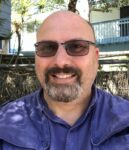
Matt is the Assistive Technology Coordinator for Tech Enabled Services at One Vision. Matt’s focus is on the Smart Living service model where individuals are supported through a combination of technology and in-person direct care to empower them in realizing their hopes and dreams. Through a focused and person-centered use of technology, the people One Vision support become more-and-more independent and included in their communities. Matt has worked at One Vision for five years in various roles, starting as a Direct Support Professional in 2019.
Matt was born and raised in Australia, obtaining a Bachelor of Science and working for many years as a Science Teacher, specializing in the Life Sciences. He has a lifelong unbounded enthusiasm for service, education, and the sciences. Matt enjoys making a direct impact on the lives of each person he supports in realizing their goals and introducing them to new opportunities.
Javen Swann

As the Smart Living Service Manager, Javen Swann is dedicated to harnessing technology to promote independence, autonomy, and inclusion. With a diverse background and extensive experience, Javen has made significant contributions across various fields, challenging traditional support paradigms for multiple populations. His innovative approach to enhancing quality of life through technology underscores his commitment to empowering individuals. Under Javen’s leadership, One Vision is making a positive impact, fostering a culture of independence, autonomy, and inclusion through cutting-edge technological solutions.
Brian Hart

Brian Hart is the CEO of Smart Living Systems and ShiftAbility, a Cincinnati-based agency focused on assisting I/DD agencies in transforming from typical caregiving models to technology-first models of service. He has made it his mission to push the boundaries of what options exist for adults with disabilities. He is never satisfied and believes there is always a better way to increase the independence of others and break down the systemic barriers that hold them back. He has been at the forefront of expanding services through the use of technology enabled supports and community clusters of services. Through his work, Brian has been able to assist agencies across the country to implement technology first and remote support to increase the number of individuals they support. Brian believes that technology enabled support is the solution to the problems facing I/DD and Mental Health support agencies, and he is excited to be at the forefront of assisting agencies in this change.
CEO Technology To-Do List: What To Accomplish Between Now & Next Year’s Summit
The summit is over, but now what? This wrap-up session will offer concrete next steps that attendees can take to their organization to evaluate best, strategize, and implement improvements to their technology infrastructure and data/reporting processes.
Joseph P. Naughton-Travers, EdM

Joseph P. Naughton-Travers, EdM, Senior Associate, has more than 30 years of experience in the health and human service field. In this tenure as senior associate with OPEN MINDS since 1998, he has served as lead of dozens of client initiatives, served as editor of OPEN MINDS publications, and is the author of many groundbreaking articles and presentations.
Mr. Naughton-Travers brings to OPEN MINDS a broad range of experiences in private and public sector delivery of behavioral health and social services. He started his career as a behavioral health clinician, working in both child welfare and community mental health clinic settings. Subsequently, Mr. Naughton-Travers held a senior business operations management position for a psychiatric hospital system and its community mental health clinics. Later, he was vice president of a firm specializing in information systems and billing and receivables management for community-based mental health programs.
Since joining OPEN MINDS, Mr. Naughton-Travers has developed business solutions for provider and professional organizations, state and county government, technology companies, and venture capital firms. His primary areas of expertise include strategic planning and metrics-based management, electronic health record (EHR) and technology selection and implementation, operations improvement, and corporate compliance. For the past decade, over half his consulting practice has focused on aiding organizations in technology selection and implementation, including all aspects of strategic technology planning, functional specifications development, request for proposal development, vendor selection, and contracting.
He has written numerous articles, including “Winning the Human Resource Wars: Tried, True and New Strategies for Behavioral Health and Social Service Organizations,” “Five Pillars of Management Competency,” “Data Driven Decision Making: Moving to an Organizational Measurement Culture,” “Survival of the Smartest: What is Your Organization’s Information Literacy IQ?,” and “Strategic Human Resource Management: Aligning Compensation with Employee Performance and Organizational Strategy.” Mr. Naughton-Travers is also a nationally recognized speaker, having conducted hundreds of executive and professional executive training events around the nation.
Mr. Naughton-Travers received his Bachelor’s degree from Miami University of Ohio and his Masters’ of Education in Counseling Psychology from Boston University.
The Next Frontier In Managed Care: Florida Community Care’s Award Of Florida’s I/DD Managed Care Contract
Join David Rogers, President of Florida Community Care, as he explores their recent award of Florida’s new Comprehensive Intellectual/developmental disability (I/DD) Managed Care Program and what this means for the future of I/DD services on a national level.
Historically, the I/DD population receiving waiver services has been excluded from Medicaid managed care enrollment. The tide is beginning to turn with ten states having specific long-term care managed care plans for persons with I/DD. His recent award of a six-year contract from The Florida Agency for Health Care Administration to Florida Community Care, LLC, to pilot a managed care plan for people living with I/DD is a strong signal of states’ interest in how to better manage Medicaid benefits for the I/DD and LTCC populations. Throughout the pilot, 900 beneficiaries with I/DD will receive comprehensive medical, long-term care, and home- and community-based services (HCBS) waiver services.
In this session, gain a deeper understanding of the intricacies of this contract, including the overall goal of what The State Of Florida is trying to accomplish, how Florida Community Care plans to embrace this complex Medicaid population, and what key outcomes will be evaluated for the short-term pilot.
David Rogers

David Rogers is the President of Independent Living Systems (ILS) and a seasoned leader with more than 30 years of healthcare experience in both the public and private sectors. As President of ILS, Rogers is responsible for day-to-day management of the internal operations of the company as well as execution of strategies to optimize people, process, and technology across the enterprise and to continue to advance ILS as a driving force in healthcare innovation.
Prior to being named President of ILS in 2020, Rogers joined Florida Community Care (FCC), a subsidiary of ILS, as Executive Director and Chief Operating Officer in 2018. Before assuming his role at FCC, Rogers was Managing Principal of Health Management Associates (HMA) Medicaid Market Solutions where he advised and supported state agencies, health systems, health plans, and others. Rogers served as Assistant Deputy Secretary for Medicaid Operations, functioning as the Florida’s Medicaid program’s Chief Operations Officer. He has also served as Idaho’s State Medicaid Director.
David earned his Bachelor’s degree and Graduate Certificate in Health Services Administration and Public Policy from Florida State University.
The Future Of Aging Services — How Trends, Policies & State Master Plans Are Impacting Traditional Providers
As societies worldwide age due to declining birth rates and longer life expectancies, the looming reality of more adults over 65 than children under five by 2035 necessitates proactive preparation.
Top of mind for organizations looking to expand services for the aging population should be adaptation in service delivery to meet the complex needs of aging and medically complex consumers, strategies for adapting to Medicare funding, the impact of state master plans for aging, and updated public policies put in place to protect aging consumers moving throughout the health care system. In this session, attendees will explore key trends on national and local levels, their impact on traditional service providers, and strategies for organizations looking to expand services to fill this growing gap in care delivery.
Key takeaways from this session include:
- Gain a big picture understanding of how State Master Plans For Aging are influencing funding and access for aging services
- Explore critical factors that contribute to healthy aging and strategies for integrating these factors into service delivery for improved outcomes
- Examine how current market trends are creating new service line opportunities for health and human services organizations
Leanne Clark Shirley, Ph.D.

Leanne Clark-Shirley, PhD, is ASA’s President & CEO. Clark-Shirley is a social gerontologist with nearly 20 years of experience working in aging-related nonprofit, consulting and academic environments. Before joining ASA, she was AARP’s Senior Evaluation Advisor, responsible for strategic planning, building internal evaluation research capacity and applying impact measurement expertise at the departmental and enterprise levels. Prior to that, she led the Aging and Disability research practice at IMPAQ International, a think-tank and policy research firm. Clark-Shirley is a fellow of the Gerontological Society of America, teaches courses on policy and aging and regularly mentors students interested in non-academic careers in aging. She received her doctorate in Gerontology from the University of Maryland, Baltimore County.
Julia Alexis, MA

Julia Alexis is Vice President, Strategic Initiatives and Operations at the AARP Public Policy Institute (PPI) where she oversees its business development, management and operations. She leads a team of professionals whose diverse skills ensure PPI’s operational success. Working with the public and private sectors, including foundations, she identifies and creates new opportunities to strengthen and optimize PPI’s impact and performance.
Prior to joining PPI, Alexis served as Vice President, Health Products and Services at AARP Services, Inc., where she created and managed AARP’s health product portfolio, increased membership and revenue, managed major service providers and multimillion dollar budgets, served as media spokesperson, and launched new products and initiatives. Alexis spent 5 years as a senior executive at an academic medical center, where she built physician practice groups and clinical practices and managed Medicare demonstration projects. Earlier in her career, Alexis developed and led significant advertising campaigns for large insurers, pharmaceutical companies, and health advocacy groups as an executive at a full service, award-winning marketing agency.
She has extensive experience in data driven direct to consumer and business to business marketing.
A member of the Society for Women Business Leaders in Health Care, Alexis serves on several volunteer boards including as board chair for a non-profit focused on young adults with intellectual/developmental disabilities. She authors blogs on health and wellness.
Alexis graduated with honors from Georgetown University, Edmund A. Walsh School of Foreign Service, with a bachelor’s of science, foreign service (international economics/politics.)
Najja Orr, DBA, FCPP

Najja R. Orr assumed the role of PCA’s President & CEO in 2020 as services to Philadelphia’s older adults had to quickly adapt during the COVID-19 pandemic. This included delivering more than 3 million meals to older Philadelphians through home-delivered and community-based meal programs. Prior to coming to PCA, Orr worked for the Bucks County Area Agency on Aging since 2002 and served as that agency’s director until 2011. In 2017, he joined PCA as the chief strategy officer, leading the agency’s planning department.
Orr has served on several boards during his tenure in the aging field and held a number of positions, including chair of the Pennsylvania Department of Aging Cultural Diversity Advisory Council and board secretary and southeast regional representative for the Pennsylvania Association of Area Agencies on Aging. Orr has also served as a member of the Bucks County Area Agency on Aging Cultural Diversity Committee and the United Way of Greater Philadelphia and Southern New Jersey Vision Council.
Orr received his doctorate from Temple University in 2022. He also holds a master’s degree in business administration from Drexel University and a bachelor’s degree in psychology from Morehouse College. Orr was recently selected as one the 2022 nonprofit power 100 honorees by City & State Pennsylvania. In addition to being a dedicated advocate for older adults, Orr is also a dedicated husband and father of four.
Rigo Saborio, MSG

Rigo J. Saborio, MSG, is Vice President of Programs, Equity, and Community Impact at The SCAN Foundation. In this role, Rigo oversees the Foundation’s efforts around diversity, equity, and inclusion (DEI) to ensure all older adults receive the services and supports they need to age well. Over the last year, Rigo implemented the Foundation’s community impact plan for strategic grantmaking.
Rigo has over 30 years of experience in the field of aging with an emphasis on public policy, diversity outreach, administration, and direct service. Rigo’s career included 13 years as Chief Executive Officer of St. Barnabas Senior Services in Los Angeles and eight years with AARP, culminating as a Director of Diversity Outreach and Alliances for AARP’s National Office. He also served six years as Director of USC’s Los Angeles Caregiver Resource Center and worked as a staffer on the U.S. Select Committee on Aging for the U.S. House of Representatives. Rigo is active with numerous charitable and professional organizations and cofounded and served as Chair of the Los Angeles Aging Advocacy Coalition and is a member of the Equity in Aging Advisory Committee, which advises the governor’s administration on the implementation of the California Master Plan for Aging, as well as Department of Aging on the planning and implementation of aging and disability programs.
Rigo holds a Master of Science in Gerontology from the USC Davis School of Gerontology. He also completed a bachelor’s degree in Nutritional Sciences at the California State University, Los Angeles. Rigo enjoys traveling with his wife, spending meaningful time with his two daughters, catching a ballgame with his dad, and sharing a meal with friends and family.
The Power Of AI: Fueling Organizations & Elevating People
Sponsored By: 
Welcome to the age of AI! On the subject of artificial and augmented intelligence, today’s healthcare leaders are constantly challenged with understanding what’s real and what’s just buzz. Join us for an engaging session where our experts help you develop a roadmap for AI adoption, including what questions to ask. You’ll learn what it takes to adopt a Meaningful AI approach that pinpoints the intersection of effective UX, reliability, compliance, and beyond.
- Learn how to strategically plan for your organization to adopt and integrate AI today with an eye toward the future
- Develop a deeper understanding of how AI can support staff and improve morale by reducing administrative burdens to allow time for more meaningful work
- Explore the power of automation in clinical, operational, and financial workflows across the business
Jessica Fenchel, MA

Jessica Fenchel is the Executive Vice President and COO at Access Services, where she supports the delivery of diverse community-based programming for children, adults, and families in Eastern Pennsylvania. Access Services is a nonprofit organization building community through the delivery of services in Behavioral Health, Children and Families Services, and Intellectual Disability and Autism Programming.
Jess has been at Access Services for over 10 years, during which she was key in the startup of innovative initiatives across multiple service spaces including crisis, forensics, schools, and homelessness. Jess believes that help should be helpful and that the people we serve deserve our best. She has led in partnership building to realize integration between behavioral health and physical health, driving solutions for vulnerable populations. Jess’ work to develop new models of partnership between law enforcement and crisis systems has led to overall reductions in arrest for those experiencing mental health crisis.
Jess received her undergraduate degree from Messiah College, her master’s degree from Lasalle University in Clinical Counseling Psychology, training in Applied Behavior Analysis from the University of North Texas, a certificate in Nonprofit Management from Lasalle University, and a certificate from the Global Trauma Recovery Institute. Jess is an avid sports fan, especially the Buffalo Bills, and loves being active outside with her husband, three kids, and dog.
Erica Gregory

As vice president of Revenue Cycle Management Operations, Erica oversees all billing and back-office operations for healthcare organizations across the country. Through strategy, measurement and execution, she works with internal teams to ensure the client achieves optimal financial performance. Erica is an expert in operations and business development, displaying a track record of consistent, substantial and measurable success across healthcare and technology. She is dedicated to exceeding goals by delivering results that directly impact the bottom line. She accomplishes this by collaborating with teams across Netsmart who bring expertise and technology innovation. Prior to joining Netsmart, Erica was an executive at Center Corporation for more than 10 years. Her roles spanned from financial management to business development/automation. Erica is a long-standing member of the Healthcare Financial Management Association and is a Certified Healthcare Financial Professional (CHFP). Erica received her bachelor’s degree in economics and accounting from the University of Kansas.
Chris Yakscoe

As director of client alignment with Netsmart, Chris works with current clients to optimize their technology platforms and ensure they are using workflows efficiently. He is most proud of Bells, the artificial intelligence (AI) documentation solution, and the difference it makes in the work of clinicians.
Prior to Netsmart, Chris served as vice president of Remarkable Health, where he worked on the team that developed Bells, the popular AI digital assistant. He partnered with clients to successfully implement Bells alongside their EHR and designed strategies to improve documentation and billing processes. Chris routinely speaks at events and as a panelist on webinars sharing the power of effectively using technology to improve the client and staff experience.
Chris is a graduate of the University of Pittsburgh and holds a degree in business administration. He resides in Scottsdale, AZ, and enjoys networking and volunteering in the community.
Developing A Person-Centered Approach To Care Delivery For Aging & Medically Complex Populations: The Columbus Organization Case Study
About 80% of surveyed C-suite executives from U.S. life sciences and health care organizations see improved health equity as a top goal for 2024. Understanding health equity and integrating its principles into service delivery is also essential for providers looking to improve outcomes and negotiate higher rates with health plans.
In this session, hear from leaders at The Columbus Org, the nation’s largest care coordination provider for individuals with I/DD, on how they are working to develop evidence-based practices and improve service delivery to better support the complex needs of the aging I/DD population.
Attendees will discover emerging solutions to overcoming common barriers to accessing care for older adults. Plus, gain strategies for leveraging a person-centered approach to care delivery models that support improved outcomes and bolster a competitive service portfolio that supports the aging population.
Key takeaways from this session include:
- Understand strategies for improving outcomes when serving older adults, like overcoming common barriers to access and developing person-centered service lines
- Discover emerging solutions to overcoming common barriers to access and effective care delivery for serving older adults
- Explore practical tools for developing “person-centered” approaches to service delivery
Tanya Wyant, Ph.D.

Dr. Wyant serves as the Vice President of Northeast Care Coordination for The Columbus Organization. In this role she oversees all operations and business development for several states for the Company. She has also been a part of numerous projects within Columbus to advance its capabilities, providing better opportunities for direct service provider engagement. She has also been a part of or championed numerous efforts to improve the service offering for clients, with a focus on holistic and person-centered care.
Prior to Columbus, Dr. Wyant had a variety of experiences in New York, culminating in working in case management leadership when the state moved to managed care/at risk models.
Dr. Wyant has also served as an adjunct instructor in Psychology for SUNY.
Elaine Aguirre, M.D.

Elaine Aguirre is a general physician from the University of Colima, Mexico, with over 16 years of managed care experience working in various roles, from Care Coordination to Director of Clinical Operations and Medical Management, and currently VP of Clinical Operations and Business Development under the Columbus Organization. Over the last 9 years, she worked in the implementation and growth of the NJ MLTSS department in WellCare NJ. In 2024, she came to the Columbus Organization as part of the strategic plan to expand its capacity and experience within the population with complex needs, long-term care programs, and programs for the aging, as well as the collaboration with our parent-managed care company, Care Source. She grew up as an only child of immigrant Mexican parents, 1st one in her family to finish college and become a doctor, and she has 3 wonderful kids who are her life’s most valuable achievement, the most supportive husband she could ask for…. and 2 spoiled dogs.
From Metrics To Meaning: Optimizing Quality Measures For Better Care With Less Work
Sponsored By: 
Health care organizations are tasked with navigating a growing list of quality metrics from funders and regulators. This session will equip you with the tools to not only manage these requirements but to make your data actionable. Learn how to build a reusable, scalable data infrastructure that allows your team to efficiently organize and report on quality metrics without starting from scratch each time, while also gaining meaningful insights that drive decision-making and service improvement.
Through practical strategies and real-world examples, you’ll discover how to transform quality measures from a compliance burden into a strategic asset for organizational growth and improved care delivery.
The key takeaways for this session include:
- Methods for organizing and prioritizing quality metrics based on funder requirements
- Steps to build a reusable, scalable data infrastructure that minimizes administrative overhead
- Techniques for turning quality data into actionable insights that inform decision-making
Chris Akerley

Chris Akerley is the Senior Vice President of Data Analytics at SimiTree, a leading healthcare consulting and data analytics firm. Chris is a renowned expert in leveraging data and technology to drive transformative change in healthcare organizations.
In 2007, Chris co-founded Afia Inc. with the mission of revolutionizing healthcare through data-driven solutions. Under his leadership, Afia became a trusted partner for organizations across the country, helping them improve patient outcomes, reduce costs, and enhance operational efficiency by seamlessly integrating data analytics and innovative technologies.
In 2023, SimiTree announced the acquisition of Afia. The result? Best-in-class analytics, insight, and technology to help continuously elevate organizations nationwide. As SVP of Data Analytics at SimiTree, Chris oversees the development and implementation of cutting-edge data strategies that empower healthcare providers to make more informed decisions. His deep understanding of the industry’s unique challenges, combined with his visionary approach to data management, has made him a sought-after speaker and consultant.
Securing Financial Sustainability: How DuPage County Is Implementing Cutting-Edge Tools To Strategize, Execute & Optimize RCM
In health care operations, revenue cycle management (RCM) begins before a prospective client’s first appointment. The seamless execution of processes such as registration, eligibility checking, and prior authorization plays a pivotal role in ensuring timely and accurate payment for services. Employing technology at this critical juncture not only streamlines the intricate processes but also contributes to an overall improvement in customer satisfaction and operational efficiency.
In this session, learn how DuPage County Health Department is using technology tools to enhance RCM, simplify the experience for clients, and enhance the effectiveness of the organizational processes.
Attendees will:
- Examine case studies that have been successful in reducing claims errors that are associated with the initial stages of the RCM
- Explore the various stages of RCM and technology tools to support each
- Understand the importance of managing the initial phase of the RCM in data analytics and process improvement
Robert Baechle

Robert Baechle is a Clinical Informatics Analyst who uses data to help drive clinical and financial decisions at DuPage County Health Department. He is a public servant with a heart for helping people and uses this passion to serve his community. Rob’s career started in an inpatient behavioral health hospital and transitioned to public health in 1997. He has experience in all levels of outpatient care and was promoted into a supervisory role in 2006. During this time, Rob helped implement two behavioral health electronic health records, consulted on the implementation of an environmental health services electronic record, and established centralized scheduling for 100+ employees. Rob regularly uses analytics to support clinical, financial, and administrative staff. Rob’s expertise has helped the health department to achieve numerous best-practice clinical workflows across multiple service areas.
What’s New! Innovative Programs & Funding Models For The Aging Population
In this session, hear two distinct case studies highlighting innovative programs catering to the aging population’s unique demands. Plus, get an inside look at the funding models fueling each program, with tips and tricks for making it all work together in a cohesive system.
Learn from the New Jersey Institute For Successful Aging on the GUIDE Model, launched by the Center For Medicare & Medicaid Services on July 1, 2024. The GUIDE Model aims to support people with dementia and unpaid caregivers while standardizing the approach to care, with 24/7 access to support. The model goal is to allow consumers to stay in their homes longer rather than being placed in care facilities and improve their quality of life. We’ll delve into the intricacies of this program and how it can be adapted to your organization.
Serving Seniors is a San Diego-based nonprofit that serves older adults who are more than 85% living below the federal poverty level and struggle to meet basic needs. Ms. Sinnott will discuss the Transitional Housing Program, which has aided over 1,000 older adults off the street. Learn how Serving Seniors has created a Needs Assessment and the funding they received to launch this program.
Key Takeaways:
- Explore strategies for innovating current services and developing new service lines catered to the aging population
- Learn about emerging funding models and strategies for developing complementary programs and services
- Gain insight into conducting market research and analysis to identify market gaps and develop competitive services
Lisa Bodenheimer, MSW, LCSW, ASW-G

Lisa Bodenheimer, MSW, LCSW, is an Assistant Professor at Rowan-Virtua School of Osteopathic Medicine’s New Jersey Institute for Successful Aging (NJISA). Ms. Bodenheimer has 20 years of post-graduate experience in the fields of geriatrics, mental health, and healthcare. In her current role, Ms. Bodenheimer provides clinical social work support to older adults in a primary care setting through the NJISA’s team-based Memory Assessment Program, focusing on assessing and managing cognitive impairment. She also provides psychotherapy for patients with anxiety/depression and caregiver support for families with a loved one with Alzheimer’s disease or related dementia. As a member of an interprofessional education team working on the federally-funded Geriatrics Workforce Enhancement Program (GWEP) grant, Ms. Bodenheimer manages projects with the Veterans Administration Community-Based Outpatient Clinic in Vineland and the NJ Division of Aging Services, incorporating the 4Ms framework (What Matters, Mentation, Medications, and Mobility) to support age-friendly care and build a healthcare workforce that provides quality care to older individuals. Ms. Bodenheimer’s clinical and research interests include depression, social isolation and loneliness, the impact of childhood adversity on aging, and advanced care planning.
Jennifer Sinnott, MSW

Jennifer Sinnott is a dynamic leader with over 20 years of dedicated experience in aging services. Currently serving as the Vice President of Health & Social Services at Serving Seniors, she plays a pivotal role in overseeing the integration of essential services such as social work, health education, dental, and wellness programs. Jennifer’s passion for enhancing the lives of seniors extends beyond basic care; she actively fosters collaborative partnerships and initiatives that prioritize a holistic “whole person” approach to well-being.
Jennifer’s educational background includes a Bachelor of Science degree from Iowa State University and a Master of Social Work from Boston College. Throughout her career, she has demonstrated a deep commitment to advancing the field of aging services, working tirelessly within both nonprofit and county government systems to develop innovative solutions that address the diverse needs of older adults.
With her wealth of experience and unwavering dedication to compassionate care, Jennifer Sinnott is a respected authority in the field. She brings invaluable insights and practical strategies to empower others in creating supportive environments that promote aging with dignity and vitality.
Surfing The Triple Disruption Rip Current: Strategies For Navigating Three Forces Reshaping Health & Human Services In The Year Ahead
Ten years ago, technology strategies for specialty care providers focused mainly on billing, compliance, and security, operating separately from overall organizational goals and reacting to regulatory changes.
Today’s market pressures of increased competition, the rise of value-based care, and challenges with reimbursement rates have shifted the focus to tech strategies that drive financial sustainability, growth, and competitive advantage, seamlessly integrating with broader organizational objectives.
In this session, join Monica E. Oss for an examination of key strategies for adapting to tighter margins, value-based reimbursement, and new technology options by implementing a modern, analytics-driven approach to achieve a competitive edge.
Monica E. Oss

Monica E. Oss, M.S. is the founder of OPEN MINDS and serves as its chief executive officer, executive editor of its publications and websites, and executive lead of its consulting engagements. For the past three decades, Ms. Oss has led the OPEN MINDS team and its research on health and human service market trends and its national consulting practice. She is well known for her numerous books and articles focused on the strategic and marketing implications of the evolving health and human service field – and its focus on the verticals of the field serving consumers with chronic conditions and complex support needs.
Ms. Oss has extensive experience in developing and implementing growth strategies for a wide array of organizations in the field. She has expertise in industry trend analysis, reimbursement and rate setting, and creating actionable plans for market success. In her role, she has led numerous engagements with state Medicaid plans, county governments, private insurers, and health plans, service provider organizations, technology vendors, neurotechnology and pharmaceutical organizations, and investment banking firms – with a focus on the implications of financing changes on delivery system design.
Prior to founding OPEN MINDS, Ms. Oss served as an executive with a nationally managed behavioral health organization, responsible for market development, actuarial analysis, and capitation-based rate setting. She also held a position as vice president of the U.S. risk management and underwriting division of an international insurance company.
Ms. Oss has been the keynote speaker at the conferences of dozens of national associations and has been published in a wide range of professional journals and trade publications. She has provided Congressional and state legislative testimony on issues as diverse as the financial impact of parity and payer medication access policies.
Ms. Oss has led a range of industry research and consultation initiatives, serving as principal investigator on research projects that include the examination of national managed care enrollment and service patterns, development of provider rate structures for government entities, creation of return-on-investment models for technology investments; design of performance-based compensation models within public and private health plans; and analysis of the economic impact of changes in benefit design, adoption of evidence-based practices, and new technologies.